
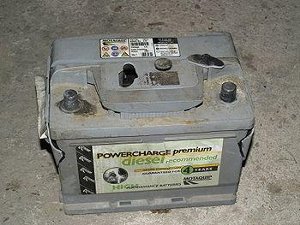
A car battery gets hot during charging due to internal resistance and chemical reactions. Excessive heat can indicate overcharging or a malfunctioning charging system.
Understanding why a car battery heats up while charging is essential for vehicle maintenance. Batteries undergo chemical reactions to store energy, generating heat in the process. Factors like internal resistance and charging rates contribute to this heat. While a slight increase in temperature is normal, excessive heat can lead to battery damage or failure.
Overcharging is a common culprit, often caused by faulty voltage regulators. Recognizing the signs of overheating is crucial for safe operation and longevity of your battery. Awareness of this issue can prevent costly repairs and ensure optimal vehicle performance.
The Science Behind Car Battery Heat During Charging
Understanding why a car battery heats up during charging involves some interesting science. Several factors contribute to this phenomenon. Key elements include chemical reactions, energy conversion, and electrolyte levels. Let’s dive into these concepts to shed light on this common issue.
Chemical Reactions And Energy Conversion
When charging a car battery, chemical reactions occur inside the battery. These reactions involve:
- Lead dioxide (PbO2) at the positive plate
- Sponge lead (Pb) at the negative plate
- Electrolyte solution (usually sulfuric acid)
As the battery charges, electrical energy converts into chemical energy. This process produces heat due to:
- The movement of ions in the electrolyte.
- Resistance in the battery components.
Heat increases as the reaction speeds up, causing the battery temperature to rise. A small amount of heat is normal.
Electrolyte Levels And Heat Generation
Electrolyte levels play a crucial role in heat generation. Proper electrolyte levels ensure efficient reactions. Low electrolyte levels can cause:
- Increased internal resistance.
- Excessive heat production.
- Potential damage to the battery.
Monitoring electrolyte levels is essential. Check for:
- Visible signs of wear.
- Low fluid levels.
Maintaining appropriate levels helps manage heat during charging.
Common Reasons For Battery Overheating
Understanding why a car battery gets hot during charging is crucial. Overheating can damage the battery and reduce its lifespan. Here are some common reasons that lead to battery overheating.
Overcharging Explained
Overcharging occurs when a battery receives more power than it can handle. This can lead to excessive heat generation. Key points include:
- Charging for too long beyond recommended time.
- Using a charger with an incorrect voltage.
- Faulty voltage regulators in the car.
Overcharging can cause:
- Boiling of battery electrolyte.
- Damage to internal components.
- Significant reduction in battery life.
Faulty Charging Equipment
Using faulty charging equipment can lead to overheating. This includes:
- Damaged chargers that provide incorrect voltage.
- Old or worn-out cables that can cause resistance.
- Incompatible chargers that do not match battery specifications.
Signs of faulty charging equipment:
| Sign | Description |
|---|---|
| Overheating charger | Charger becomes too hot during use. |
| Fluctuating voltage | Voltage readings are unstable. |
| Physical damage | Cables or connectors show visible wear. |
Symptoms Of An Overcharging Car Battery
An overcharging car battery can lead to various issues. Recognizing the symptoms early helps prevent damage. Here are the key signs to watch for.
Visual Signs Of Distress
- Swelling: The battery case may appear bulged or swollen.
- Cracks: Look for visible cracks on the battery surface.
- Leaks: Any signs of fluid leaking from the battery indicate a problem.
- Corrosion: White or greenish powder around the terminals is a red flag.
Physical Symptoms To Touch
Touching the battery can reveal important information:
- Heat: An overcharged battery feels excessively hot.
- Vibration: A buzzing or vibrating sensation may occur.
- Pressure: A swollen battery may feel hard to the touch.
Be cautious. High temperatures can be dangerous. Always prioritize safety.
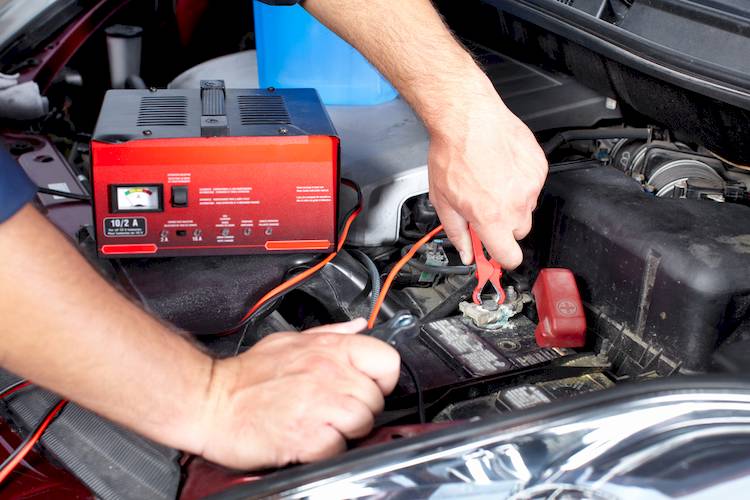
Credit: www.yourmechanic.com
The Impact Of Temperature On Charging
Charging a car battery generates heat. Understanding how temperature affects this process is vital. High temperatures can lead to issues. Let’s explore how ambient temperature and battery condition play roles in charging.
How Ambient Temperature Affects Charging
Ambient temperature significantly influences battery charging. Here’s how:
- High temperatures: Can increase internal resistance. This leads to excess heat.
- Low temperatures: Slow down chemical reactions. Charging may take longer.
- Optimal range: Batteries perform best between 20°C to 25°C (68°F to 77°F).
| Temperature Range | Effect on Charging |
|---|---|
| Below 0°C (32°F) | Slowed charging, risk of freezing |
| 0°C to 20°C (32°F to 68°F) | Normal charging performance |
| 20°C to 25°C (68°F to 77°F) | Ideal charging conditions |
| Above 25°C (77°F) | Increased heat, potential for damage |
The Role Of Battery Condition
A battery’s condition affects charging efficiency. Here are key points:
- Old batteries: Tend to overheat more during charging.
- Damaged batteries: Can have internal short circuits, causing excess heat.
- Maintenance: Regular checks can prevent overheating issues.
Battery maintenance includes:
- Checking water levels.
- Cleaning terminals.
- Testing for voltage output.
Understanding these factors helps you maintain battery health. Keep your battery cool for optimal performance.
Safety Measures For Handling Hot Batteries
Handling hot car batteries requires caution. Overheating can lead to damage or dangerous situations. Understanding immediate steps and long-term precautions is essential for safety.
Immediate Steps To Take
- Disconnect power: Always unplug the charger first.
- Let it cool: Move the battery to a cool, dry place.
- Wear gloves: Protect your hands while handling.
- Check for leaks: Look for any electrolyte leaks.
- Inspect connections: Ensure all connections are tight and secure.
Long-term Precautions
Taking precautions can prevent overheating in the future. Follow these tips:
- Regular maintenance: Check battery condition often.
- Use correct charger: Ensure the charger matches your battery type.
- Avoid overcharging: Monitor charging time closely.
- Store properly: Keep batteries in a cool, dry place.
- Seek professional help: Consult a mechanic for any issues.
Understanding these safety measures is crucial. Proper handling can protect you and extend battery life.
How To Correctly Charge Your Car Battery
Properly charging your car battery is essential for its health and performance. A well-charged battery lasts longer and works better. Follow these steps to ensure your battery gets the right care.
Choosing The Right Charger
Selecting the correct charger prevents overheating and damage. Here are some key factors:
- Voltage Compatibility: Ensure the charger matches your battery’s voltage.
- Amperage Rating: Choose a charger with a suitable amperage for your battery size.
- Smart Chargers: Opt for chargers with automatic shut-off features to prevent overcharging.
| Charger Type | Features | Best For |
|---|---|---|
| Standard Charger | Basic charging, manual monitoring | Short trips, occasional use |
| Smart Charger | Automatic shut-off, adjustable settings | Regular use, daily drivers |
| Trickle Charger | Slow, steady charge | Long-term storage |
Understanding Charging Cycles
A charging cycle is the process of charging and discharging a battery. Knowing this helps maintain battery health.
- Charge: Fully charge the battery.
- Discharge: Let the battery run down to about 50%.
- Repeat: Aim for this cycle regularly to prolong life.
Monitor the battery temperature while charging. An overheated battery could indicate an issue. Always allow the battery to cool before checking its condition.
Troubleshooting A Hot Car Battery
Experiencing a hot car battery during charging can be concerning. It’s important to troubleshoot the issue quickly. Ignoring it can lead to battery damage or safety hazards. Here are some steps to help you identify the cause and take appropriate action.
When To Seek Professional Help
Some situations require a mechanic’s expertise. Look for these signs:
- Excessive heat: Battery feels extremely hot to touch.
- Swelling or leakage: Any visible deformities or fluid leaks.
- Frequent overcharging: Battery overheats often.
- Electrical problems: Issues with lights or electronics.
Do not hesitate to consult a professional. They can perform detailed diagnostics and repairs.
Diy Checks And Solutions
Before seeking help, perform some simple checks. Here are steps to follow:
- Check the charger: Ensure it matches the battery specifications.
- Inspect connections: Look for corrosion or loose cables.
- Test the voltage: Use a multimeter to check if it’s within safe limits.
- Monitor charging time: Avoid overcharging. Follow the manufacturer’s guidelines.
Here are common causes of a hot battery:
| Cause | Description |
|---|---|
| Overcharging | Too much voltage causes heat buildup. |
| Faulty charger | Incompatible or damaged charger can overheat the battery. |
| Internal short circuit | Can lead to rapid heat generation. |
Take these steps to cool down an overheated battery:
- Turn off the charger immediately.
- Let the battery cool down in a safe area.
- Check for any visible damage after cooling.
Regular maintenance can prevent overheating. Keep your battery clean and connections tight. Stay safe and informed.
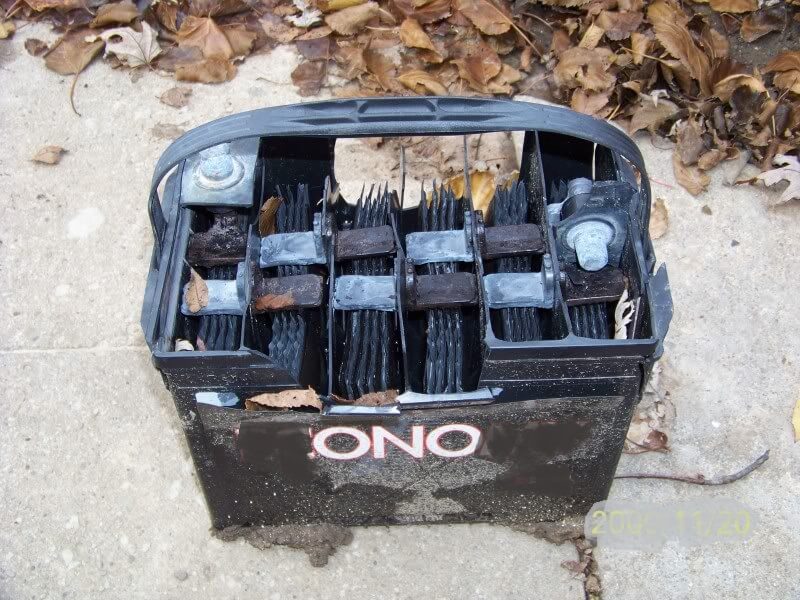
Credit: www.optimabatteries.com
Preventing Battery Overheating
A car battery can get hot during charging. This heat can cause damage if not monitored. Preventing battery overheating is essential for safety and battery life. Let’s explore some effective methods to keep your battery cool.
Maintenance Tips
Regular maintenance is key to preventing battery overheating. Here are some simple tips:
- Keep battery terminals clean and free of corrosion.
- Check the battery fluid level regularly.
- Ensure the battery is securely mounted.
- Use the correct charger for your battery type.
The Importance Of Regular Checks
Frequent checks can help identify overheating issues early. Here are areas to focus on:
- Monitor the charging voltage. It should be within the manufacturer’s range.
- Inspect for signs of swelling or leakage.
- Ensure the environment is well-ventilated during charging.
Regular checks can prevent costly repairs and extend battery life.
| Check | Frequency | Notes |
|---|---|---|
| Battery terminals | Monthly | Clean if corroded |
| Battery fluid level | Every 3 months | Add distilled water if low |
| Charging voltage | Monthly | Use a multimeter for accuracy |
Stay proactive to ensure a safe and efficient battery operation.
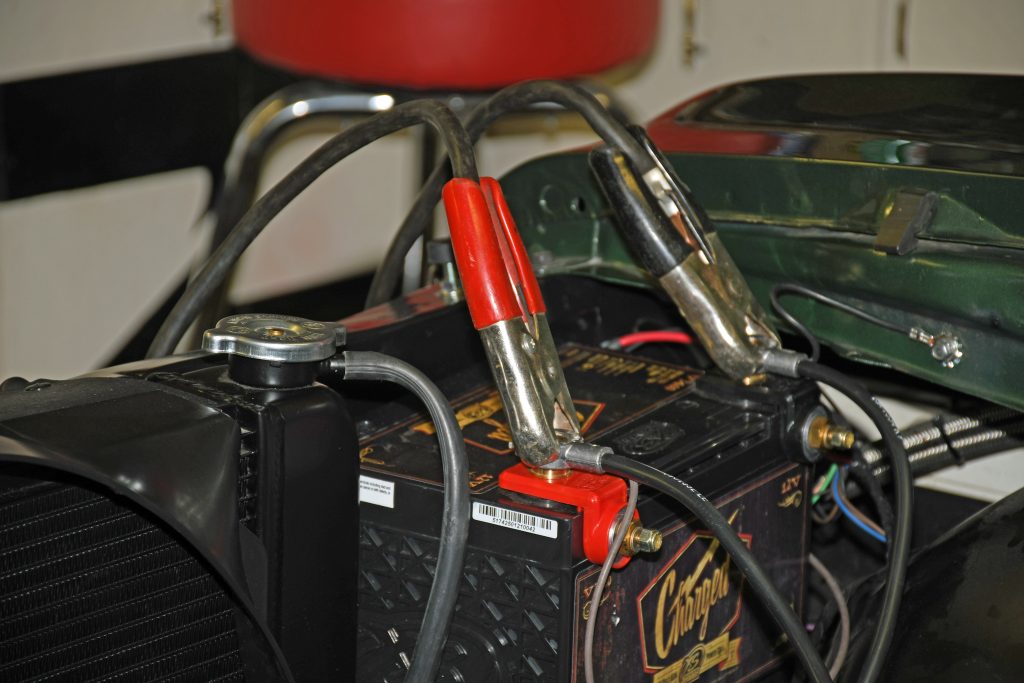
Credit: www.onallcylinders.com
Frequently Asked Questions
Is It Normal For A Battery To Get Hot When Charging?
Yes, it’s normal for a battery to get warm while charging. This heat is generated by chemical reactions within the battery. However, excessive heat may indicate overcharging or internal issues. If the battery feels excessively hot, it’s advisable to stop charging and inspect for problems.
Why Is My Car Battery Cell Boiling When Charging?
Boiling in a car battery during charging usually indicates overcharging. Excessive voltage or a malfunctioning charger can cause this. A short circuit within the battery may also contribute to boiling. Both issues can damage the battery and reduce its lifespan.
Always monitor charging conditions to prevent overheating.
Should A Car Battery Charger Get Hot?
Yes, a car battery charger can get warm during operation. This is generally normal due to energy transfer. However, excessive heat may indicate overcharging or a malfunction. Always monitor the temperature and consult a professional if it becomes too hot.
Safety is crucial when handling battery chargers.
What To Do If A Battery Is Hot?
If a battery feels hot, stop using it immediately. Allow it to cool down in a safe area. Check for signs of damage or leakage. Avoid charging it until it cools. If overheating persists, consult a professional or replace the battery to prevent hazards.
Why Does My Car Battery Heat Up While Charging?
A car battery heats up due to chemical reactions during charging, which release energy in the form of heat.
Conclusion
Understanding why a car battery gets hot during charging is essential for every vehicle owner. Heat can indicate normal operation, but excessive temperatures may signal issues. Regular checks can prevent damage and prolong battery life. By staying informed, you ensure your battery performs optimally and safely, enhancing your driving experience.